

Repair instead of replacement: what we learned from the ECC Slovenia round table
04.03.2026

What do we do when an appliance breaks down - do we repair it or replace it? The answer often depends on the cost, time, and availability of service, but increasingly also on the awareness that every quick replacement has its own environmental and social cost.
On the 20th anniversary of the European Consumer Centres Network (ECC), the European Consumer Centre in Slovenia organised a round table discussion on the new EU Right to Repair Directive on the right to repair and its transposition into Slovenian law.
The discussion focused on the practical challenges of repairs, the role of manufacturers and repairers, consumer rights, and opportunities for developing a circular economy. Participants agreed that legislative changes are an important step, but the key question is how effectively the new solutions can be applied in practice - including through cooperation between various stakeholders and support measures that will make repairs easier, faster, and more accessible.
Challenges of repair in Slovenia
Participants pointed out that consumers still often face significant barriers when choosing to have something repaired. Repairs can be expensive, with the cost of diagnosis and intervention sometimes exceeding the value of a new product. At the same time, long waiting times are also a problem, often linked to service technicians being overloaded and problems with the supply of spare parts.
The shortage of service technicians also poses a significant challenge. It has been pointed out that there is virtually no publicly accessible database of repairers, and that it is becoming increasingly difficult to maintain the profession as an attractive choice for young people. This also affects the availability and cost of repairs.
What does the new directive bring?
The participants presented their experiences and views, as well as the solutions offered by the new EU directive.
Mr. Luka Omerzel from the Ministry of Economy, Tourism, and Sport pointed out that the legislation will strengthen the obligations of manufacturers regarding certain product groups (especially those for which repair requirements already exist at the EU level), which means that manufacturers will not be allowed to refuse repairs, but will have to ensure that repairs are carried out and that the necessary information and spare parts are available.
He mentioned a standardised (European) repair form as an important innovation that should provide consumers with more transparent information on key elements of the service (e.g., terms and conditions, price, and estimated repair time), this will make it easier for consumers to decide whether to have repairs done, and establish a European online platform for repairs, which will enable consumers to search for repairers more transparently and may contribute to greater competition in the repair market.
From open questions to common steps
The participants agreed that the question of how to precisely define a "reasonable time" for repairs remains open, as the directive does not specify concrete deadlines, which can cause confusion. They also pointed out that successful implementation of the new rules will require better cooperation between all stakeholders - from the state and manufacturers to service providers, educational institutions, and consumers.
One of the necessary future steps highlighted the need to popularise the repair technician profession and raise consumer awareness of the long-term environmental, financial, and social benefits of repairs. It will also be important to set measurable targets that will enable monitoring of progress towards the right to repair.
The directive, which is already in the transposition phase, is expected to enter into force in 2026. The key message of the debate was clear: the aim of the legislation is not only to regulate rights on paper, but to move away from a "buy and throw away" culture towards the practice of repair being the first choice - in other words, to strengthen the culture of repair.
PHOTO GALLERY
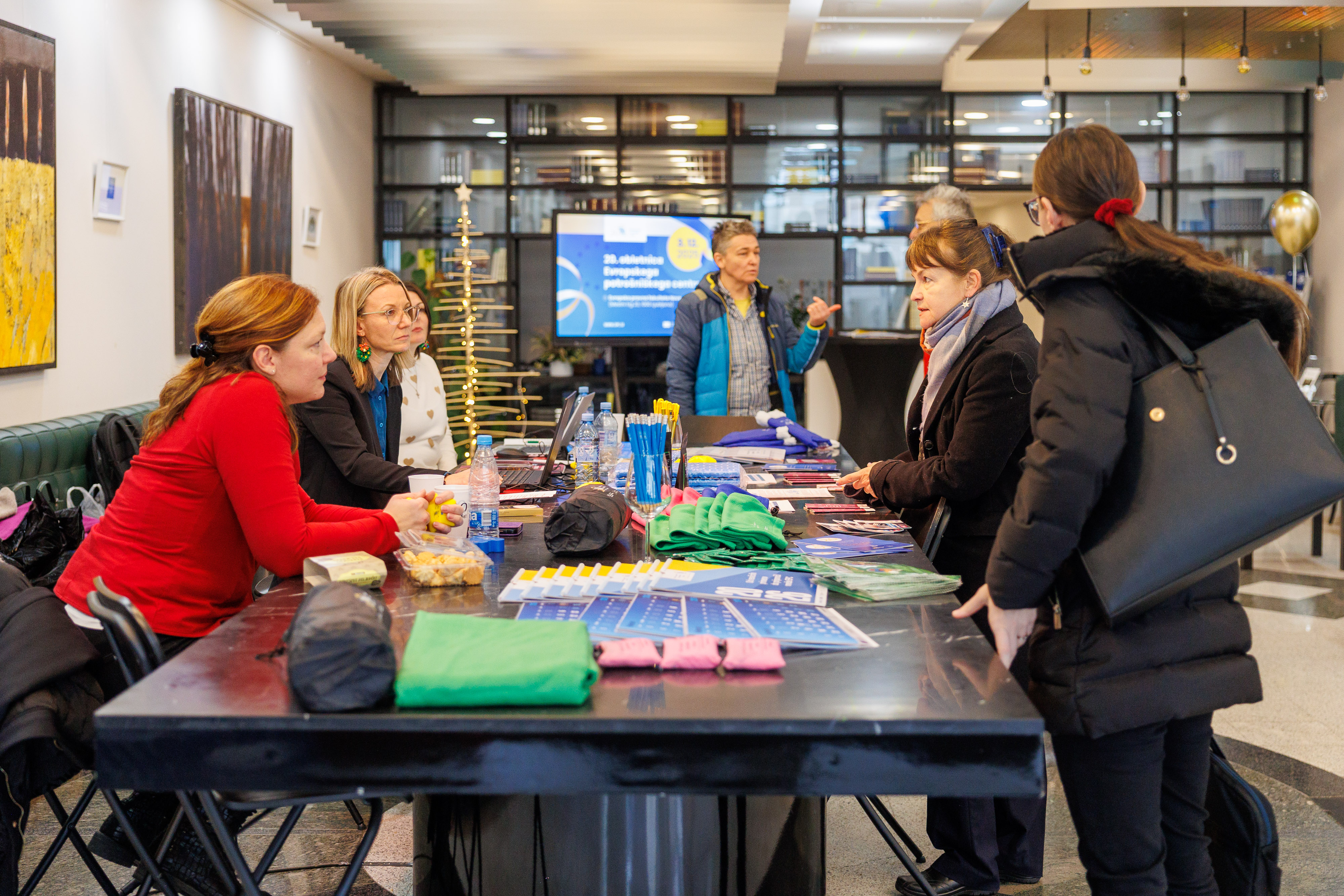

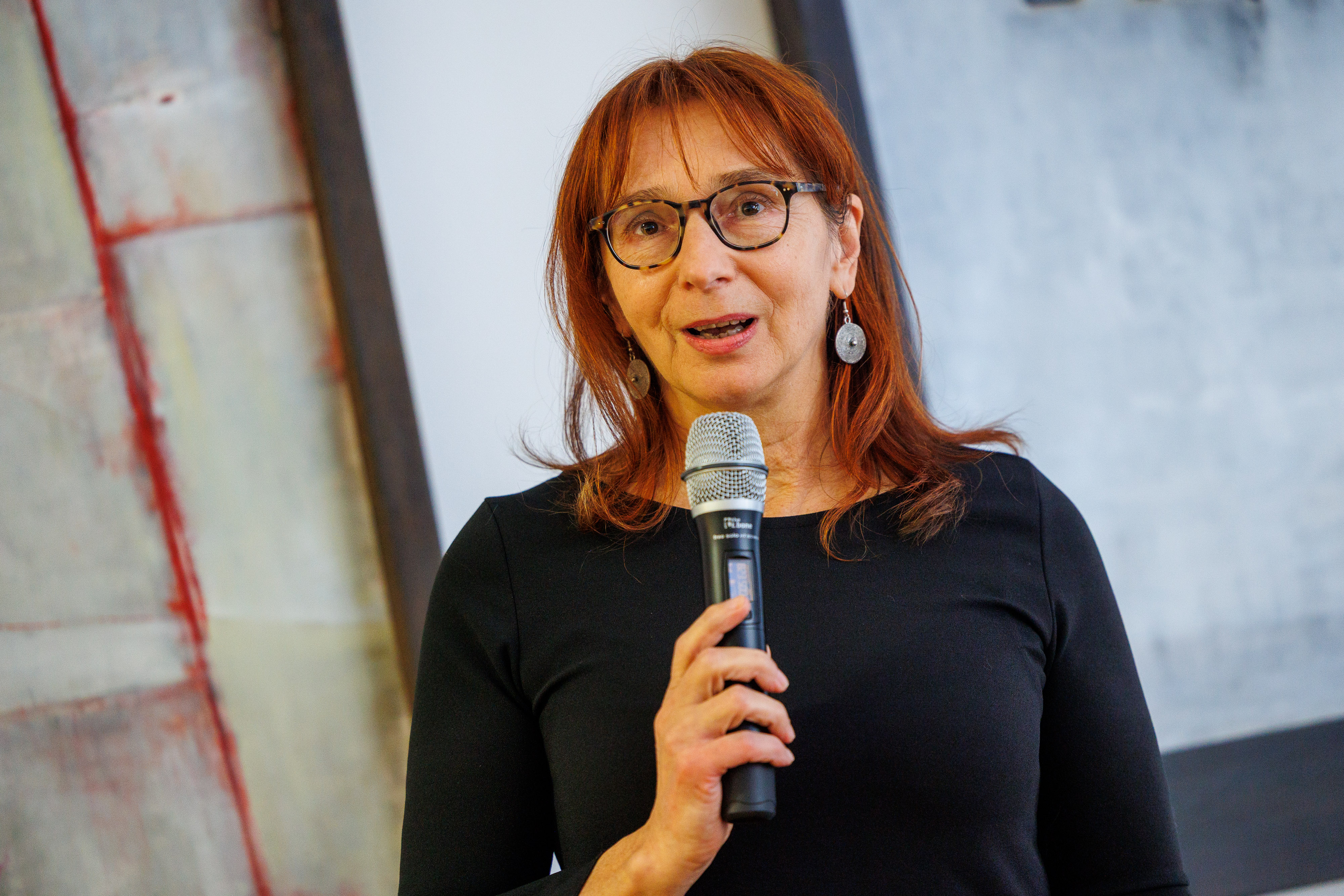




Foto: Jernej Lašič
General Technical “How To” For Consumers
Poll
Have you ever had to pay more than the original price quoted to book a flight, hotel, or rent a car?